
Performance Marketing vs Traditional Marketing: Which Delivers Better ROI?
As a marketer, I weigh the pros and cons of performance marketing and traditional marketing. It’s like choosing between a precision-crafted Swiss watch and a vintage timepiece. Both have their charm, but which one will deliver the desired results? For businesses, the primary concern is maximizing return on investment (ROI). Understanding the differences between performance marketing and traditional marketing is crucial.
Performance Marketing vs Traditional Marketing: Key Differences
Performance marketing vs traditional marketing is a common debate. Performance marketing is a results-driven approach. It’s like having a GPS navigation system, constantly adjusting course to ensure you reach your destination. This approach is particularly effective in digital marketing, where businesses can track the performance of their ads and make data-driven decisions.
Introduction to Marketing Strategies
Imagine you’re a master chef, tasked with creating a dish that will wow a discerning audience. Performance marketing is like having a team of skilled sous chefs, each with a specific role to play. In contrast, traditional marketing is more like cooking for a large crowd, relying on tried-and-true recipes and hoping for the best. To succeed in today’s fast-paced marketing landscape, it’s essential to understand the nuances of both approaches. For a deeper dive into digital marketing, visit digital marketing guide.
Defining Performance Marketing
Performance marketing is a type of marketing that focuses on achieving specific goals, such as generating leads or driving sales. It’s a results-driven approach that’s all about delivering tangible results. This approach is particularly effective in digital marketing, where businesses can track the performance of their ads and make data-driven decisions. To learn more about measuring campaign effectiveness, visit https://www.google.com/analytics.
Defining Traditional Marketing
Traditional marketing, on the other hand, is like taking a scenic route – it may be picturesque, but it’s often less direct and more expensive. This approach relies on methods such as print, television, and radio advertising, which can be less measurable and less effective than performance marketing. While it may have its advantages, traditional marketing often lacks the precision and flexibility of its digital counterpart.
Key Differences Between Performance Marketing and Traditional Marketing
So, what sets performance marketing apart from traditional marketing? For starters, performance marketing allows businesses to target specific audiences with laser-like precision, tracking the performance of their ads in real-time. In contrast, traditional marketing often relies on a broader approach, which can result in a lower return on investment. To learn more about targeting strategies, visit targeting guide.
Targeting and Reach
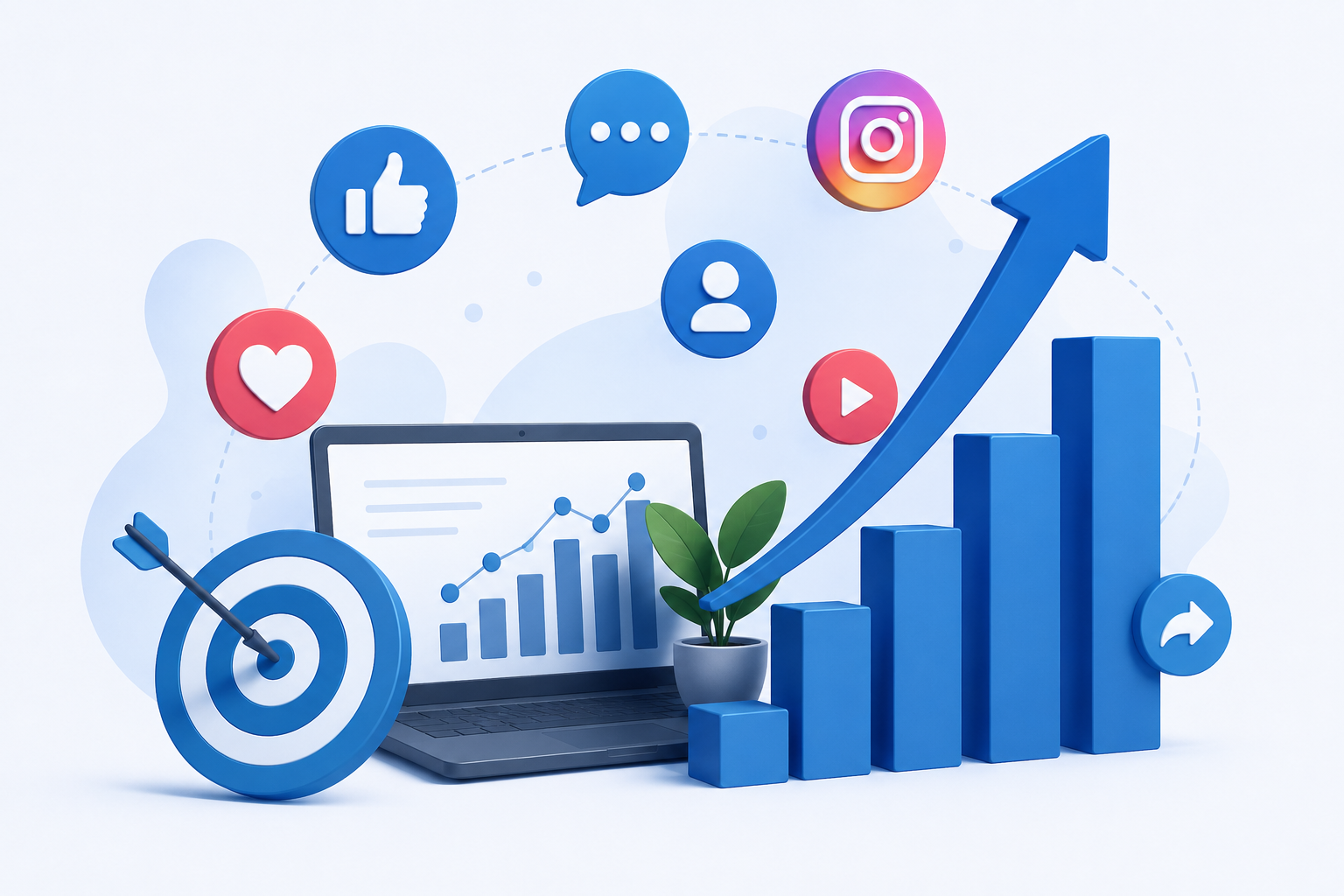
Performance marketing is like having a skilled archer, able to hit the bullseye with ease. By targeting specific demographics, interests, and behaviors, businesses can increase the likelihood of conversion. Traditional marketing, on the other hand, is more like shooting arrows in the dark, hoping to hit the target by chance.
Measurement and Tracking
Measurement and tracking are the lifeblood of performance marketing, allowing businesses to track the effectiveness of their campaigns and make data-driven decisions. It’s like having a dashboard on your car, providing you with real-time feedback on your performance. Traditional marketing, however, often lacks this level of visibility, making it challenging for businesses to measure their ROI.
Performance Marketing vs Traditional Marketing: Which Delivers Better ROI?
So, which approach delivers better ROI – performance marketing or traditional marketing? The answer is clear: performance marketing is the clear winner. By providing a targeted and measurable approach, performance marketing allows businesses to optimize their campaigns for better results.
Data-Driven Comparisons
The numbers don’t lie – research suggests that performance marketing can deliver a significantly higher ROI than traditional marketing. It’s like comparing the fuel efficiency of a hybrid car to a gas-guzzler – the hybrid will always come out on top.
Case Studies and Examples
Real-world examples demonstrate the effectiveness of performance marketing in driving sales and revenue. Companies like Coca-Cola and Amazon have seen significant increases in sales and revenue by using performance marketing to target specific audiences and track the performance of their ads.
Conclusion: Performance Marketing vs Traditional Marketing: Which Delivers Better ROI
In conclusion, when it comes to performance marketing vs traditional marketing: which delivers better ROI, the answer is clear. Performance marketing offers a more targeted, measurable, and effective approach to marketing, allowing businesses to track and optimize their campaigns for better results. By choosing the right marketing strategy for your business, you can increase your ROI and drive more sales and revenue.
FAQ
What is performance marketing?
Performance marketing is a type of marketing that focuses on achieving specific goals, such as generating leads or driving sales. It’s a results-driven approach that’s all about delivering tangible results.
How does traditional marketing differ from digital marketing?
Traditional marketing differs from digital marketing in its approach to targeting and measurement. Traditional marketing relies on methods such as print, television, and radio advertising, while digital marketing focuses on online channels like social media, search engines, and affiliate marketing.
How can I measure the ROI of my marketing campaigns?
To measure the ROI of your marketing campaigns, you need to track and measure the performance of your ads, including metrics such as clicks, conversions, and sales. You can use tools like Google Analytics to track your website traffic and conversion rates, and adjust your marketing strategy accordingly.
To get the most out of your marketing efforts, consider trying performance marketing for your business. With its targeted and measurable approach, you can increase your ROI and drive more sales and revenue. Share your thoughts and experiences with performance marketing and traditional marketing in the comments below, and let’s discuss the best marketing strategies for your business. Sign up for our newsletter to stay up-to-date on the latest marketing trends and strategies, and get a free guide to performance marketing. [CTA: Sign up now](#)
What is Performance Marketing?
Performance marketing is a digital marketing strategy where businesses pay for measurable results, such as clicks, leads, conversions, or sales. Unlike traditional advertising, it is a results-driven approach that uses real-time data and analytics to optimize campaigns, improve return on investment (ROI), and achieve specific business goals efficiently.
How does traditional marketing differ from digital marketing?
Traditional marketing uses offline channels such as television, radio, newspapers, magazines, billboards, and print advertising to reach audiences. In contrast, digital marketing leverages online channels like search engines, social media, email, websites, and affiliate marketing. Digital marketing also provides advanced targeting, real-time performance tracking, and measurable ROI, making it easier for businesses to optimize campaigns and improve results.
The debate between performance marketing and traditional marketing has been ongoing. Find out which approach provides higher returns on investment and why. Learn how to measure and track the success of each marketing strategy.